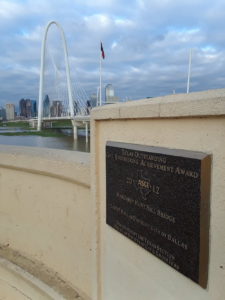
 Margaret Hunt Hill Bridge
#38 of 100 things to do in Dallas
Dallas, Texas is home to a stunning architectural landmark that has become an iconic symbol of the city’s revitalization: the Margaret Hunt Hill Bridge. This cable-stayed bridge, which spans the Trinity River and connects Downtown Dallas to West Dallas, is a masterpiece of design by renowned architect Santiago Calatrava. Since its opening in 2012, it has transformed the Dallas skyline, offering locals and visitors alike a unique perspective of the city .
Whether you are an architecture enthusiast, a photographer seeking the perfect shot, or a family looking for a unique and free outing, this guide provides everything you need to know for a memorable visit.
Key Details at a Glance:
-
Location: Spans the Trinity River connecting Spur 366 (Woodall Rodgers Freeway) to Singleton Boulevard
-
Designer: Santiago Calatrava
-
Length: 1,206 feet (368 meters)
-
Height: 400-foot (122-meter) central arch pylon
-
Opened: March 29, 2012
-
Admission: Free
A Masterpiece of Engineering and Design
The Margaret Hunt Hill Bridge is the first of a series of bridges designed by Santiago Calatrava for the Trinity River Corridor Project and is Calatrava’s first vehicular span in the United States . The bridge’s most distinctive feature is its soaring parabolic white steel arch, which rises 400 feet above the river, creating a dramatic silhouette against the Dallas skyline .
The bridge’s design is both functional and artistic. It features a central pylon constructed from 25 individual steel segments, secured with 20,000 pounds of bolts and 450 tons of concrete . An array of 58 white cables extends from the arch in sweeping, web-like sweeps to the bridge deck, distributing the weight and creating a striking visual effect. These twisting cables have been likened to “huge musical instruments” . At night, the lighting enhances the bridge’s sculptural qualities, making it a beacon visible from miles away .
The bridge was named after Margaret Hunt Hill, a Dallas heiress and philanthropist . It carries six lanes of traffic, providing a critical link between Downtown Dallas and the revitalizing neighborhoods of West Dallas .
Hours & Admission
Access
-
Hours: The Margaret Hunt Hill Bridge is an open-air structure accessible 24 hours a day, 7 days a week .
-
Admission: Free for all visitors .
Location
-
Address: Margaret Hunt Hill Bridge, Dallas, TX 75207, USA
-
It is located along Spur 366 (Woodall Rodgers Freeway) and crosses the Trinity River .
Activities for Adults & Children
👨🖥️ For Adults: Photography, Strolls & City Views
-
Architectural Appreciation: Take time to admire the design and engineering of Calatrava’s masterpiece. The bridge’s white arch and sweeping cables offer a stunning example of modern architecture .
-
Photography: The bridge is a photographer’s dream. For the best shots, visit during “golden hour” around sunrise or sunset, when the light paints the bridge and skyline in warm hues . At night, the city lights create a beautiful, dramatic scene .
-
Scenic Walks and Biking: The bridge features a dedicated pedestrian walkway, making it a popular route for a “hot girl walk” or bike ride . The views of the Dallas skyline from the bridge are unparalleled.
-
Dining at Trinity Groves: Adjacent to the bridge, the Trinity Groves area offers a vibrant culinary scene. Combine your bridge visit with a meal or drink at one of the many popular restaurants in this revitalized neighborhood .
👧 For Children & Families: A Unique Educational Outing
-
A Walk Across the Bridge: Children will be amazed by the sheer scale of the bridge and its soaring white arch. The pedestrian path is safe and provides a unique perspective on the city.
-
A Free and Accessible Adventure: The Margaret Hunt Hill Bridge is a fantastic and free activity for families. It’s a perfect way to spend an hour exploring a local landmark.
-
Watch the Boats and the City: From the bridge, you can watch boat traffic on the Trinity River and see the planes approaching nearby Love Field. The views of the city are a great way to talk about Dallas’s geography and landmarks.
-
Explore Trinity Groves: After the bridge walk, the Trinity Groves area offers several family-friendly restaurants with diverse menus, making it easy to turn the visit into a longer outing.
Parking & Getting There
🚗 Driving & Parking
The bridge is easily accessible by car from downtown Dallas via Spur 366 (Woodall Rodgers Freeway).
| Parking Option | Approx. Distance | Notes |
|---|---|---|
| Trinity Groves Area | Adjacent to the bridge | Parking is generally available in this area, which is a popular starting point for exploring the bridge . |
| Street Parking | Nearby streets | Limited street parking may be available. Always check for posted signs. |
Pro Tip: Arrive early to find convenient parking, especially on weekends when the Trinity Groves area is busy. There is no dedicated parking lot for the bridge itself, but the Trinity Groves area provides several options.
🚆 Public Transportation
-
DART (Dallas Area Rapid Transit): The bridge is accessible via public transportation, but it may require a transfer and a short walk. Check the DART website or app for the most current routes and schedules.
Tips for Your Visit
-
Plan a Short Stop: The bridge is a stunning and quick stop. Plan to spend 30 minutes to an hour walking across and taking photos.
-
Best Times to Visit: Sunrise and sunset offer the most spectacular lighting for photography and views . Weekday evenings tend to be less crowded than weekends.
-
Wear Comfortable Shoes: The pedestrian walkway is long, so wear comfortable shoes, especially if you plan to walk the entire span.
-
Bring Your Camera: You’ll want to capture the breathtaking views of the Dallas skyline from this unique vantage point.
-
Combine with Trinity Groves: Make the visit a complete experience by exploring the restaurants and shops in the adjacent Trinity Groves area.
-
Check for Events: Occasionally, the bridge or surrounding roads may be closed for events or maintenance. Always check local news or the City of Dallas website before your visit.
The Bridge’s Story: Connecting Communities
The Margaret Hunt Hill Bridge is more than just a piece of infrastructure; it is a symbol of connection and revitalization. Before the bridge was built, the Trinity River separated West Dallas from the rest of the city. The bridge, which was initially called the “bridge to nowhere” by some, has opened doors for rapid development and growth in West Dallas .
While the new development has brought cleaner streets, safer neighborhoods, and more jobs, it has also led to challenges like increased costs of living . Regardless, the bridge remains a central part of the city’s evolving narrative and a testament to Dallas’s ambition.
Stay Connected
For more information, follow the official resources of the City of Dallas and the Dallas Arts District, which often feature the bridge in their content.
-
City of Dallas Website: https://www.dallas.gov/
-
Dallas Arts District: https://www.dallasartsdistrict.org/
If you have any experience with this place, please share it with us in the comments below!
This attraction is part of free things to do in Dallas