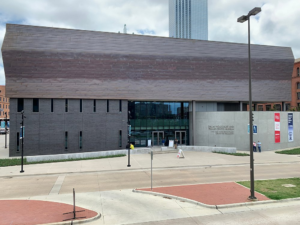
 Dallas Holocaust and Human Rights Museum
#24 of 100 things to do in Dallas
Dallas, Texas is home to a museum that serves as a powerful testament to the resilience of the human spirit and a call to action for a better future: the Dallas Holocaust and Human Rights Museum (DHHRM) . Located in the historic West End, this 55,000-square-foot facility is dedicated to teaching the history of the Holocaust and advancing human rights to combat prejudice, hatred, and indifference .
The museum offers a deeply moving and educational experience, combining rare artifacts, survivor testimonies, and cutting-edge technology to explore the past and its relevance to today . Whether you are a student of history, an educator, a family seeking meaningful education, or a visitor committed to social justice, this guide provides everything you need to know for a respectful and impactful visit.
Key Details at a Glance:
-
Address: 300 N. Houston Street, Dallas, TX 75202
-
Phone: (214) 741-7500
-
Admission: Paid with discounts available; children under 12 are generally not recommended for the permanent exhibition
Hours, Location & Parking
Opening Hours
The Museum is open daily from 10:00 a.m. to 5:00 p.m., with the exception of Tuesdays when it is closed to the public . Please note that the entrance to the permanent exhibition closes at 4:00 p.m..
| Day | Hours |
|---|---|
| Sunday – Monday | 10:00 AM – 5:00 PM |
| Tuesday | Closed |
| Wednesday – Saturday | 10:00 AM – 5:00 PM |
Holiday Closures: The museum is closed on New Year’s Day, Easter, Rosh Hashanah, Yom Kippur, Thanksgiving Day, Christmas Eve, and Christmas Day .
2026 Special Open Tuesdays: The museum will be open on Tuesday, March 17, and Tuesday, December 29 .
Location & Parking
The museum is conveniently located in the West End at 300 N. Houston Street . The main public entrance is on Houston Street, while the group-tour entrance is on Ross Avenue .
-
Parking: Visitors can park in the covered garage at 301 N. Houston Street, directly across from the museum. Payment is made via QR code or the ParkMobile app .
-
Museum Members: Receive complimentary parking .
-
Public Transportation: The DART West End Station is located just one block away on Pacific Avenue, making public transportation a convenient option .
Ticket Prices & Admission (Evergreen)
Standard Admission
General admission includes access to the permanent exhibition, the special exhibition gallery, the Dimensions in Testimony℠ Theater, and the Cinemark Theater film “Voices of Courage”.
| Ticket Type | Price |
|---|---|
| Adults (ages 13+) | $19 |
| Seniors (55+), Educators, Military, First Responders, Visitors with Disabilities | $17 |
| Students (with ID) | $12 |
Discounts & Free Admission
The museum participates in several programs to make the experience accessible :
-
Blue Star Museums: Free admission for active-duty military personnel and their families during the summer.
-
Museums for All: Reduced admission for SNAP/EBT cardholders.
-
Dallas CityPASS: Save up to 49% on admission to DHHRM and three other top Dallas attractions .
-
Bank of America Museums on Us: Free admission for Bank of America and Merrill Lynch cardholders on the first full weekend of every month.
-
Dallas Culture Pass: Free admission for Dallas Public Library cardholders.
Ticket Purchase & Validity
Tickets may be purchased online in advance (recommended) or upon arrival at the Guest Services Desk . There are no refunds for purchased tickets. Your ticket is valid all day, and re-entry is permitted on the same day .
Group Tours: Groups of 15 or more guests may book a discounted group tour. Reservations must be scheduled and paid at least two weeks in advance. Student groups (grades 6+) can visit for $8 per guest, and requests must be submitted at least three weeks in advance .
Exhibits & Activities for Adults and Children
The museum is designed to tell a chronological story through its three core exhibition wings: the Holocaust/Shoah Wing, the Human Rights Wing, and the Pivot to America Wing, which connects this history to the fight for civil and human rights in the U.S. .
👨🖥️ For Adults: History, Memory & Human Rights
-
Permanent Exhibition: This is the heart of the museum, featuring rare artifacts, survivor testimonies, and interactive displays that follow the history of the Holocaust . A particularly poignant experience is entering a World War II boxcar, an object that transports visitors to a historical moment of immense suffering .
-
Dimensions in Testimony℠: A groundbreaking interactive holographic theater where visitors can ask questions and have real-time conversations with pre-recorded Holocaust survivors . This uses voice recognition and high-definition technology to ensure their stories live on for future generations .
-
Special Exhibitions: The museum hosts rotating special exhibitions that explore related themes of social justice, civil rights, and human resilience . The current exhibition, “The Walt Disney Studios and World War II,” explores how the studio contributed to the war effort .
-
Tolerance Theatre: An interactive space designed to help visitors explore their own hidden biases and consider how to respond to them .
-
Library & Archives: The museum houses a library and archives that preserve the accounts of Holocaust survivors and rare historical documents . It is a resource for researchers and those wishing to delve deeper.
👧 For Children & Families: Education with Care
The museum is generally recommended for visitors aged 12 and older due to the sensitive and complex nature of the permanent exhibition . However, there are thoughtful and age-appropriate ways to engage younger visitors.
-
Special Exhibitions: Some special exhibitions, like “The Walt Disney Studios and World War II,” are more accessible and family-friendly .
-
Family Programs: The museum offers educational and engaging family programs, including summer camps for rising seventh-graders, that teach history, human rights, and empathy in an accessible way .
-
Paddington Bear Programming: The museum uses the beloved character Paddington Bear to teach children about the Kindertransport, the rescue mission that helped Jewish children escape Nazi-occupied Europe .
-
Sensory-Friendly Resources: For guests with sensory needs, the museum offers a “Social Story” through the KultureCity app, which helps prepare visitors for the museum environment .
-
Scout Programs & School Groups: The museum offers specialized programs for scout groups and student field trips (grades 6 and up), with pre-arranged itineraries for a meaningful educational experience .
Accessibility & Services
The Dallas Holocaust and Human Rights Museum is committed to being accessible to all visitors .
-
Physical Accessibility: The museum is fully ADA compliant.
-
Service Animals: Service animals are welcome.
-
Language Access: English and Spanish captioning is provided for all video elements. A free audio tour is available in both languages via the DHHRM Audio Tour app.
-
Sensory Needs: A “Social Story” is available via the KultureCity app to help guests with sensory sensitivities prepare for their visit.
-
Security & Bag Policy: All visitors must pass through security screening. Bags may not exceed 19″ tall x 17″ wide x 8″ deep, and no strollers are permitted in theaters. There is no coat or bag check .
-
Photography: Non-flash photography is permitted in most areas if it does not disrupt others. Flash photography, video recording, live-streaming, tripods, and selfie sticks are not permitted .
Tips for Your Visit
-
Allow Ample Time: Plan to spend two to three hours to experience the full museum, including the permanent exhibition, special exhibition, and theater components .
-
Choose Your Time Wisely: Weekday mornings are often busy with school groups. For a less crowded experience, visit after 1:00 p.m. on weekdays or on weekends during the school year .
-
Consider the Age Recommendation: The museum recommends visitors be at least 12 years old for the permanent exhibition due to its sensitive content .
-
Prepare for the Experience: This is a meaningful but emotionally challenging visit. Allow time for reflection and discussion.
-
Download the App: The free audio tour app (available on the App Store and Google Play) provides a self-guided experience in English or Spanish. The museum does not provide headphones .
-
Docent Tours: Free 90-minute docent-led highlight tours are available throughout the month. These are first-come, first-served for up to 20 guests, who must also have a general admission ticket .
Stay Connected:
Follow the Dallas Holocaust and Human Rights Museum for updates on new exhibitions, educational programs, and special events.
-
Official Website: https://www.dhhrm.org/
-
Facebook: Dallas Holocaust and Human Rights Museum
-
Instagram: @dhhrm
-
X (Twitter): @DHHRM
If you have any experience with this place, please share it with us in the comments below!