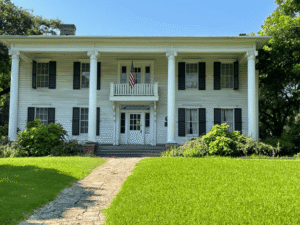
 Millermore Mansion
#86 of 100 things to do in Dallas
Dallas, Texas is home to a stunning piece of history that offers a rare glimpse into the city’s pre-Civil War past: Millermore Mansion. As the largest remaining antebellum mansion in Dallas, this two-story Greek Revival beauty stands as the crown jewel of Dallas Heritage Village in Old City Park. Built between 1855 and 1862 by one of the South’s wealthiest cotton planters, it serves as a living museum of 19th-century Texas life and is steeped in stories—and some say, spirits—of a bygone era.
Whether you’re a history buff, an architecture enthusiast, or a curious visitor seeking a brush with the paranormal, this guide provides everything you need to know for a memorable visit.
Key Details at a Glance:
-
Location: Dallas Heritage Village (Old City Park), Dallas, TX
-
Built: 1855–1862 (construction took seven years)
-
Style: Greek Revival architecture
-
Original Owner: William Brown Miller (cotton planter and slave owner)
-
Status: Restored historic house museum; centerpiece of Dallas Heritage Village
-
Park Admission: Fee required to enter Dallas Heritage Village
A Mansion’s Journey: From Oak Cliff to Old City Park
Millermore Mansion was originally constructed on a 7,500-acre plantation south of the Trinity River in what is now Oak Cliff. William Brown Miller, who had moved from Kentucky to Texas in 1847, commissioned the home using hand-cut Cedar and Post Oak timber hauled by oxen. The work was completed by enslaved laborers.
By the mid-20th century, the mansion had fallen into decay and faced demolition. In 1966, a group of concerned citizens led by the Dallas County Heritage Society stepped in to save it. The home was carefully disassembled and relocated to Old City Park, Dallas’s first municipal park established in 1876. The mansion was reconstructed and opened to the public as a house museum in 1969, marking the beginning of what would become today’s Dallas Heritage Village. The adjacent Miller Log Cabin, built in 1847, was also moved to the park the same year.
Architectural Significance: A Greek Revival Masterpiece
The Millermore Mansion is a prime example of Greek Revival architecture, a style popular with wealthy Southern settlers in the 1850s . Its design features include:
-
Grand Columns: The stately front porch is supported by impressive white columns, creating a commanding presence.
-
Symmetrical Layout: The two-story structure boasts wide central hallways and spacious rooms designed to allow cool breezes to circulate through the home.
-
Period Furnishings: Inside, visitors can see preserved 19th-century furniture, including upholstered pieces, marble-top tables, paintings, and fireplaces.
-
Antique Decor: The mansion is filled with antique lamps, wooden chairs, and historical artwork, including a notable painting titled “Saved”.
The Haunted History of Millermore Mansion
For decades, Millermore Mansion has drawn attention from paranormal enthusiasts. Guides, volunteers, and visitors have reported ghostly encounters, making it a hotspot for those seeking a supernatural experience.
The Spirit of “Emma”
The most commonly reported apparition is a woman in a long brown dress—believed to be William Miller’s third wife, Emma. She is often seen on the staircase or at upstairs nursery windows . Many visitors have described the same figure, adding a layer of consistency to the stories. The home has been featured on paranormal television shows, and investigators have reportedly captured unexplained EMF spikes and voices, particularly in the attic.
Other Spirits
Some believe the spirits of Miller’s children, several of whom died young, may also linger in the home. Both Minerva (Miller’s second wife) and Emma passed away within the house—Minerva from illness and Emma allegedly during childbirth. Whether you believe in ghosts or not, the stories are an inseparable part of the mansion’s mystique.
Activities for Adults & Children: A Step Back in Time
The Millermore Mansion is the centerpiece of Dallas Heritage Village, a 20-acre living history museum featuring nearly 30 preserved historic buildings, including Civil War-era homes, churches, offices, and stores.
For Adults: History, Art & Antiques
-
Guided Tours: For the best experience, take a guided tour to learn about the Miller family, the enslaved people who lived and worked on the plantation, and the history of the home. Tours typically start at the village’s bank building around 1:30 PM.
-
Self-Guided Exploration: Tour the mansion and other historic buildings, including the Blum Bros. General Store, Citizen’s Bank, the Railroad Depot, and the Renner School.
-
The Working Farm: Explore a working 1861 farm complete with livestock and a blacksmith’s shop.
-
Photography: The mansion and surrounding village provide a beautiful, nostalgic backdrop for photography.
For Children & Families: Education and Exploration
-
Living History: Children can experience history firsthand by exploring homes, a one-room schoolhouse, and a farm.
-
The Farmstead: Kids love seeing the farm animals and the working blacksmith shop.
-
Scavenger Hunt: The grounds are perfect for a family scavenger hunt to spot different types of buildings and artifacts.
-
Educational Experience: It’s a unique way for young learners to understand what life was like in Texas over 150 years ago.
Visitor Information: Hours, Admission & Getting There
Location & Hours
-
Location: Dallas Heritage Village, Old City Park (near downtown Dallas)
-
Hours: Vary; the park is generally open daily, but the mansion is typically open for tours during specific times. Check the official Dallas Heritage Village schedule before your visit.
Admission
-
Admission Fee: There is an admission fee to enter Dallas Heritage Village, which includes access to the Millermore Mansion and the other historic buildings .
Parking & Getting There
-
Parking: On-site parking is available.
-
DART: The historic village is accessible via Dallas Area Rapid Transit (DART), with the Cedars Station located nearby.
Tips for Your Visit
-
Check the Tour Schedule: The mansion is often only accessible via guided tour. Plan to arrive at the village in time to join the tour.
-
Allow Ample Time: Plan to spend at least 1.5 to 2 hours to fully explore the mansion and the surrounding village.
-
Dress for the Weather: Many of the buildings are not climate-controlled, so dress appropriately for the Texas heat and sun.
-
Bring Your Camera: The architecture and preserved interiors are highly photogenic.
-
Ask About the Ghosts: Embrace the local lore and ask your guide about the stories of Emma and other unexplained occurrences.
If you have any experience with this place, please share it with us in the comments below!